

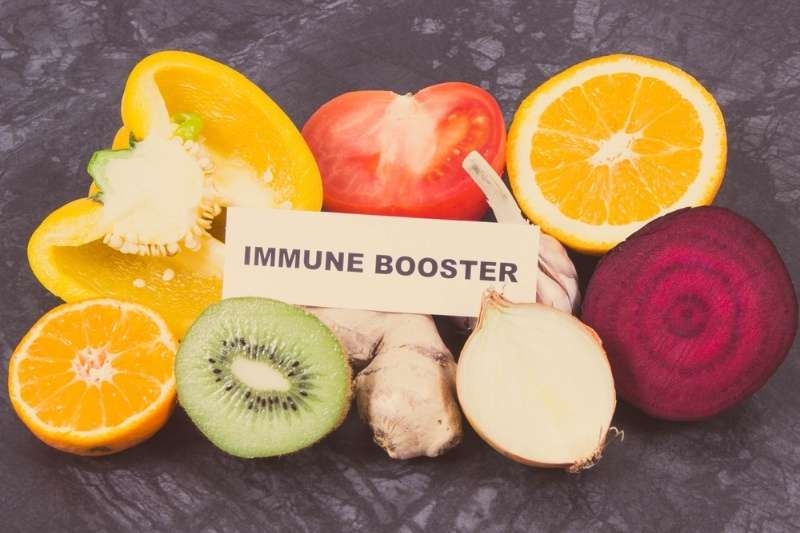
Imagine your kid breezing through the school year with unstoppable energy. Keeping them active and strong doesn't require a cabinet full of expensive vitamins. The ultimate defense strategy starts right on their dinner plate. By focusing on immunity boosting foods for kids, you give their bodies the exact fuel needed to naturally fight off the seasonal bugs.
This blog will cover the top immunity boosting foods and their benefits.
Feeding your kid the right fuel does more than just stop a runny nose. It completely changes how their body handles stress. Here is the actual payoff for upgrading their diet.
When they do inevitably catch a bug, their body has the raw materials needed to fight it off in three days instead of dragging it out for two weeks.
High-sugar and processed foods keep the body in a constant state of low-level panic. Nutrient-dense foods calm the system down, allowing the immune response to focus on actual threats like viruses.
Seventy percent of the immune system lives in the gut. Feeding them the right fibers and bacteria directly arms their primary line of defense.
If you are wondering what foods help improve a child’s immune system, stop looking for magic supplements and start buying these five heavy hitters.
Strawberries, blueberries, and raspberries are loaded with vitamin C and antioxidants. These compounds act like a cleanup crew in the blood, taking out the free radicals that damage cells and weaken immunity.
Plain and unsweetened yogurt is packed with probiotics. These are the "good" bacteria that patrol the gut and crowd out the bad bacteria that cause infections. It is daily maintenance for their internal fortress.
Sweet potatoes are packed with beta-carotene, which the body converts to vitamin A. This vitamin is crucial for maintaining the health of the skin and the mucosal linings in the nose and lungs, which are the body's first physical barriers against viruses.
It is a tough sell for toddlers, but broccoli is loaded with Vitamins A, C, and E, as well as fiber and antioxidants. It is arguably the most complete vegetable you can put on their plate for immune support.
Almonds, walnuts, and pumpkin seeds provide healthy fats and vitamin E alongside zinc. Zinc is critical for the development and function of immune cells. A handful a day keeps the cellular defenses fully armed.
Knowing the ingredients is useless if you cannot get your kid to actually eat them. Here are five nutritious meals that hide the healthy stuff in plain sight.
Blend spinach (you cannot taste it), blueberries, Greek yogurt, and a splash of orange juice. It turns a cool purple color, and they get a massive hit of vitamins before they even leave for school.
Mash boiled sweet potatoes into your regular pancake batter. It makes them naturally sweet and sneaks in a massive dose of vitamin A.
Roast broccoli so the edges get crispy (boiled broccoli is a crime), and serve it with grilled chicken strips. A light cheese sauce makes the "trees" highly edible for picky eaters.
Layer plain yogurt with crushed berries and a sprinkle of crushed almonds. It feels like eating dessert for breakfast, but it is actually a tactical dose of probiotics and antioxidants.
Skip the sugar-loaded instant packets. Make plain oats and mix in cinnamon, a drizzle of honey, and roasted pumpkin seeds for a massive hit of zinc.
You cannot force a kid to eat broccoli by yelling at them. You have to play the long game. Here is how you build healthy eating habits that actually stick.
If you make a separate "kid meal" every time they complain about dinner, you train them to be picky. Make one healthy meal for the family. If they don't eat it, they will eat a bigger breakfast tomorrow. Hunger is the best seasoning.
If the pantry is full of chips, they will hold out for the chips. If the only options are apples or yogurt, they will eventually eat the apples or the yogurt. Control the environment.
Let them pick out a new vegetable at the grocery store or help wash the berries. Kids are significantly more likely to eat something they helped create.
You cannot out-supplement a garbage diet, but understanding the specific vitamins for children helps you target what they are missing.
The classic defender. It encourages the production of white blood cells, which are the soldiers that fight infections. Found heavily in citrus and berries.
This is the sun vitamin. It regulates the immune system and helps the body fight off respiratory infections. If you live in a cold, dark climate in the winter, this is the one supplement you actually need to consider.
The cellular mechanic. Zinc helps immune cells function properly and signals them to attack when a virus enters the body. Found in seeds, nuts, and meat.
You cannot stop your kid from encountering germs, but you absolutely control how their body reacts to them. By heavily prioritizing immunity boosting foods for kids, you build a resilient internal defense system. You have to enforce healthy eating habits, understand the specific vitamins for children they actually need, and serve them nutritious meals without backing down when they ask for fast food instead. This is about playing offense against the cold and flu season. Control the plate, build the fortress, and keep them out of the doctor's office this year.
Gummies are mostly sugar with a light dusting of vitamins. They are a backup plan, not a primary strategy. The body absorbs nutrients significantly better from actual, whole foods than it does from a processed gummy. Fix the diet first.
Blend them. Spinach disappears into smoothies, and pureed carrots or zucchini can be mixed into pasta sauces without changing the flavor. You don't have to win the argument; you just have to get the nutrients into their system.
Absolutely. High sugar intake causes a spike in inflammation and actually suppresses the immune system's ability to attack bacteria for hours after it is consumed. When they are sick, cut the sugar completely to let their body fight.
This content was created by AI