

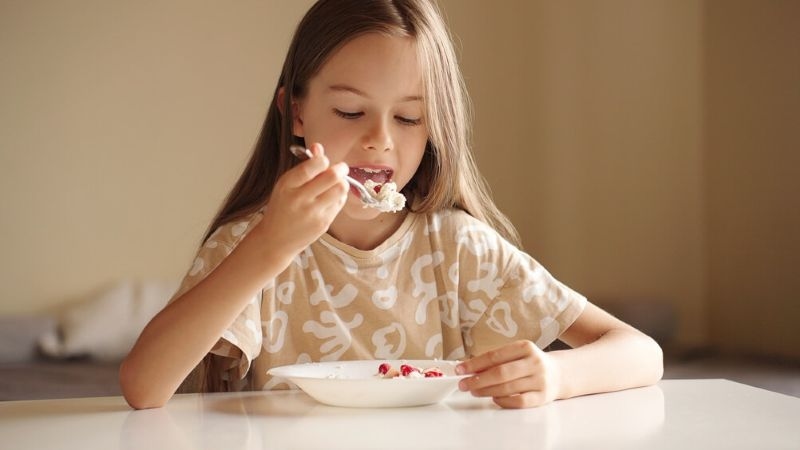
There are many times when it seems really hard to feed our children healthy meals. Daily routines get busy, there are picky eaters, and constant exposure to processed foods has made nutrition a confusing concept. But eating healthy doesn't have to be complicated. Small habits each day will lead to a stronger, healthier child who carries the right eating patterns through adulthood. Understanding useful child nutrition tips can bring down mealtime frustration.
Children thrive on a well-balanced diet consisting of fruits, vegetables, whole grains, protein, and healthy fats. Children also need routine and positive experiences with food. A simple kids' diet guide doesn’t mean trying to eat "perfect" meals every day; it means teaching healthy choices over a lifetime. Parents ask what the best nutrition tips for young children are, and most often they center on routine, variety, and healthy family habits.
Healthy kids' diet guide principles also involve offering healthy foods, and then letting your child choose how much he eats. Here are some helpful child nutrition tips:
Parents can teach basic nutrition facts without complicated lingo that children can’t understand. Instead of using the term “good foods and bad foods,” help them see that fruits provide them with vitamins, that protein helps their muscles grow, and dairy builds their bones. Simple explanations are the most effective nutrition tips for young children.
Allowing your child to participate in meal preparation can be very beneficial as well. They are more likely to try foods that they helped shop for and wash in the grocery store. Tasks such as sorting vegetables and washing apples are all steps in a great kids' diet guide and will make children curious to try what they've made.
Snacks are important for providing energy between meals. One effective part of child nutrition tips is making sure snacks include protein and fiber, to keep your child fuller for longer. Yogurt with berries, apples with peanut butter, and whole-grain crackers with cheese will have your child energized for longer than their sugary counterparts.
Make healthy options readily available. Washed fruit displayed clearly in your kitchen will encourage your children to make the smart choice, especially as they grow and reach for something to munch on. Treats are certainly part of childhood, but most snacks should focus on sustained energy. Smart snack choices for kids will become second nature with practiced nutrition basics.
Let's face it, all kids go through a picky eating phase. Especially with children who have always disliked some of the more challenging foods that are nutritionally beneficial, such as vegetables, it can be a scary experience. The best child nutrition tip is to be calm and patient. Force your child to eat something, and it will generally cause resistance.
With that said, continue to present them with healthy foods regularly, without force. Introducing new foods along with those that the child is more willing to eat will eventually help to normalize these more resistant foods. Regular family mealtime will encourage kids to explore new foods. Let a calm atmosphere be part of your kids' diet guide for a picky eater.
Breakfast provides your children with much-needed energy. Children who do not have breakfast in the morning will have lower concentration levels, fatigue, and decreased physical energy. A simple breakfast such as oatmeal, eggs, or yogurt with fruit can help promote strong nutrition basics.
There is no reason why you can't have a quick and healthy breakfast meal. There are many make-ahead breakfast ideas. Having breakfast in the morning is a critical part of your kids' diet guide because it provides the fuel to start their day right.
There are some child nutrition tips that we can often neglect, and one of them is to make sure children are drinking plenty of fluids throughout the day. When children are hydrated, they are more able to be active and focused. Water is crucial for all of your child's internal bodily processes.
Avoid sugary drink alternatives like sports drinks and soda, and always try to have fresh water on hand for your child to drink. Add some fruit to the water if your children refuse to drink it as a drink without some fruit being added. Healthy hydration is a vital part of the nutrition basics for your child.
The way a child relates to food is learned from the adults around them. You don't want to teach your children negative habits, such as focusing on dieting or feeling guilty about eating certain things. You want to promote a focus on energy, strength, and overall balance in the diet.
You don't want to use food as a reward, especially for eating. Rewarding with sweets for eating healthy will only give the sweets a higher value than the healthy food that they are intended to be associated with. If parents ask "what are the best nutrition tips for young children?", they should always consider the emotional component, which is equally as important as the healthy ingredients being provided.
Regular, healthy family meals will allow children to see positive role models in healthy eating habits. It is well-known that children often emulate what they see adults doing. Family dinners also create opportunities for conversation and help eliminate many distractions.
Healthy family meals also encourage multiple exposures to healthy foods. Your children may need to see the same vegetable more than once before they become willing to try it. Families who consistently present fruits, vegetables, lean protein, and whole grains on the table will, over time, teach children how to eat more healthfully, reinforcing essential nutrition basics that apply daily.
It is very rare that children need to eat "perfect" meals on a daily basis. By integrating small steps, such as regular mealtime, snacks containing appropriate amounts of protein and fiber, and shared, healthy family meals, you can positively impact your child’s eating habits over a lifetime. These essential child nutrition tips will minimize the stress around food for both you and your child.
This kid's diet guide is practical and easy to implement. By teaching basic nutrition facts and ensuring happy, healthy family meals are a consistent part of your life, you will help ensure your children have enough energy and fuel to succeed.
Milk can be healthy for children when consumed in moderation. Homemade fruit smoothies are another healthy drink option for children. Drinks that are high in added sugars should be monitored, as this can impact their energy and dental health.
By providing a balanced meal with protein and fiber content that fills the child up, this will decrease the child's desire to eat more food later in the day. Also, making healthy snacks accessible for children and limiting the amount of processed food consumption would decrease a child's desire for unhealthy food over time.
Children should eat a variety of fruits, vegetables, protein sources, and grains throughout the week. Diverse meals can help children be supplied with nutrients and become accustomed to newer foods slowly.
Sweets can be an appropriate part of a healthy diet if eaten in small portions and consumed along with healthier meals.
This content was created by AI