

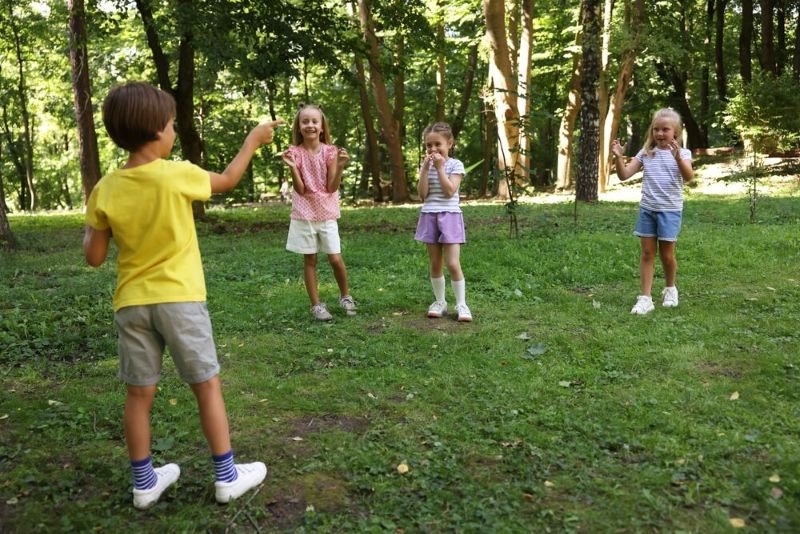
Kids nowadays just aren't going outside as much as they used to. More screens, virtual learning, technology, as well as demanding lives, have significantly reduced our kids' chances to go outside and play. In the meantime, although many good things come with technology, nature, physical activity, and fresh air are what your kid really needs to be healthy.
So what's so great about outdoor play? In this article, we will discuss the major benefits of playing outside. Understanding the true benefits of outdoor play will encourage families to incorporate these beneficial activities into their daily lives.
One of the biggest advantages of outdoor play is to children’s physical health. Through outdoor games, children are encouraged to run, jump, play, and explore, and the variety of movement will help children build strong muscles and bones. Outdoor play will increase balance, coordination, and flexibility, and keep your child at a healthy weight. Unlike indoor, sedentary activities, kids who play outside will move more consistently.
Outdoor play supports healthy child development through imaginative play and curiosity. When children are outside, they utilize their imaginations for their activities, and a backyard may turn into an adventure zone. Simple items such as sticks or leaves can be transformed into games with their minds and creativity. Through exploration and self-direction, children will also enhance their ability to learn independently.
Kids need physical activity on a daily basis due to the developmental stage of their bodies. Kids need active play ideas that improve the heart and lungs, build stamina, improve cardiovascular fitness, and set kids up for life in terms of activity levels. Kids have opportunities for exercise by bike, sports, jump roping, running, walking, or simply exploring their neighborhoods and play areas.
Playing outdoors will support the mental well-being of the child. Active children tend to exhibit better moods and are less prone to stress and anxiety. Fresh air and sunshine will improve children's moods and enhance their ability to sleep. Children need 10-12 hours of sleep nightly to continue growing and developing properly.
All these can contribute to long-term health.
Children not only gain social benefits from the classroom; they need opportunities to develop independently and interact with the world in other ways. By interacting and playing outside, kids have the opportunity to learn problem-solving skills and safely push limits. Activities in the outdoors promote more independence and self-confidence through exploring, playing, and climbing.
Playing outside will improve social development. Outdoor play promotes social interaction, cooperation, and the ability to work together. Children will develop skills in communication and learn to share while in their environments. Outdoor play helps kids grow their emotional intelligence and how they relate to their friends.
Spending time outside will also contribute to improved attention and reduced mental fatigue. Nature has a relaxing effect that has been shown to refresh children and improve their focus and attention in classroom environments.
You might be wondering how outdoor play benefits a child’s health and what the differences are between outdoor play and the benefits of outdoor physical activity alone. Outdoor activity contributes to children’s strong immunity and overall wellness with the natural presence of fresh air, sunshine, and active play. Sunlight is vital for producing the correct amounts of Vitamin D, which strengthens bones and helps children’s bodies grow.
Another reason why outdoor play helps improve a child's health is the mental and emotional impact. Children learn to reduce their stress levels by being outside and are able to manage their emotions better with outdoor play. Nature itself has calming qualities, which are beneficial to a child when they are overcome with worries of the day. Just small chunks of outdoor time can boost children’s moods and alter their behavior.
Being outside and active is also important because it will prevent obesity and inactive lifestyles. By spending time outdoors, kids engage in physically active behavior more often.
Many parents need suggestions to help children enjoy physical activity and outdoor play. Smaller children need simple and entertaining activities like a nature scavenger hunt, hide and seek, blowing bubbles, or playing a simple game of hopscotch. They will help children enhance movement skills and imagination.
Older children are typically interested in sports such as soccer, basketball, and cycling, and the popularity of running races, skating, or creating an obstacle course. Playing team sports with other children helps kids to be motivated and disciplined. Try creating a family activity tradition together, like attending a park or going for walks together.
Keep the games fun and casual rather than rigid and planned.
Playing outside together is a way that families can grow closer. When you play outside, you have fewer distractions from cell phones or television, giving you time to talk and laugh together. Simple, inexpensive trips to the park will create lasting memories and improve overall well-being for the whole family.
Kids need to learn to participate in physical activity to appreciate being active and outdoors. Family outdoor routines can help your child continue lifelong active and healthy habits.
Parents can teach their children how to stay safe by playing in age-appropriate environments and discussing basic safety rules. Smaller children should be supervised at all times, especially when in new areas. Remember sunscreen, water, and appropriate clothing when you send your child outdoors.
You do not need a large yard or expensive toys to enjoy playing outdoors. A nearby park, open fields, or a local playground will provide opportunities for the health benefits of playing outdoors and the health of your child. All you need is time for your child to play outside consistently.
Outdoor play is one of the most important components of healthy child development. It can help children build strong physical health, increase emotional well-being, develop creativity, and improve social skills. Children who develop habits of outdoor play now will continue to benefit throughout their adult lives.
Parents who foster these active and healthy lifestyles for children will contribute to their children being healthy for the rest of their lives. Whether your child is running freely in the park, riding a bicycle around the block, or hiking through the woods, they will gain incredible benefits from outdoor activity.
It is strongly advised that children play outdoors for one hour each day. Daily outdoor activities not only help keep your child active but also boost their energy, mood, and physical and emotional development.
Spending time outdoors has proven to aid in concentration, focus, and memory skills. After children are exposed to time in nature, they are more likely to return to classroom activities ready to learn.
Children who have sufficient outdoor time sleep more readily at night. Time outdoors promotes an increase in physical activity and light exposure, and as a result, helps establish the proper rhythm in the body to improve sleep quality.
Social and teamwork skills, patience, and cooperation are just a few of the traits children learn through outdoor play. It is while playing with others that children learn to be more emotionally and socially adept.
This content was created by AI