

Kids burn energy fast. One hour they are running through the house; the next they are tired, cranky, and asking for chips again. Food plays a bigger role than most parents think. Small snacks during the day can either help with focus and energy—or create sugar crashes that ruin moods. The problem is that many packaged snacks look healthy but barely fill kids up. Too much sugar, not enough real nutrition. A better snack does not need to be fancy, though. Simple foods work. Fruit, protein, whole grains, yogurt, and nuts sometimes. Easy stuff.
In this blog, we’ll talk about healthy snack choices, nutritious foods kids actually enjoy, simple snack ideas for busy parents, plus ways to support a balanced diet for children without turning every meal into a fight.
Good snacks keep kids full longer. That matters because children snack often, especially after school when hunger hits hard. But snacks built only around sugar—cookies, candy bars, and sweet cereals—disappear fast in the body. Energy spikes. Then drops.
Healthy snacks for kids should usually contain at least two things together. Protein plus fiber works best. Sometimes healthy fat helps too. Apples alone may not keep a child full, but apples with peanut butter probably will.
A few reliable combinations:
These foods digest more slowly. Kids stay active longer without begging for another snack every thirty minutes. Big difference.
Protein matters more than people realize. Children are constantly growing—bones, muscles, and brain development too. Snacks with protein stabilize energy levels besides helping concentration during school hours.
Eggs are easy. Cheese cubes work. Yogurt usually works even for picky eaters because the texture feels familiar. Some kids like roasted chickpeas, though others hate them instantly. That’s normal.
Parents often assume healthy means boring. Kids think the same thing sometimes. Yet presentation changes everything. A sliced apple becomes more interesting when shaped differently or served with a dip. Weird but true.
Nutritious kids' food does not need hidden vegetables in every recipe, either. Sometimes, direct and simple works better than “healthy brownies” that still taste strange.
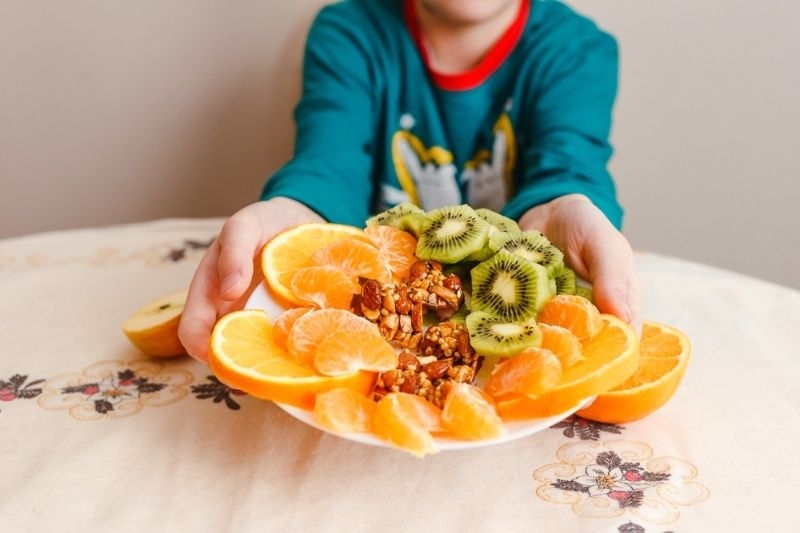
Bright foods naturally pull attention. Kids notice colors before nutrition labels, obviously. Try mixing foods with different textures and shades on one plate.
For example:
This gives crunch, sweetness, and softness—variety keeps children engaged longer. Plus, small portions feel less overwhelming. Parents often overcomplicate snacks. It’s not necessary.
Packaged foods save time, sure. But many contain extra sugar, too much salt, and artificial flavors. Also, they rarely keep children full for long. Homemade snacks are usually cheaper too, especially in bigger families.
Simple homemade ideas:
Not every homemade snack has to look perfect. Kids barely care half the time.
A child’s diet is built through patterns, not one perfect lunchbox. Snacks are part of those patterns. Frequent junk food changes taste preferences slowly; kids begin expecting intense sweetness or salt constantly.
A balanced diet for children means giving a mix of nutrients across the day—carbohydrates, protein, healthy fats, vitamins, and fiber. Snacks can help fill gaps left by regular meals.
Parents fear fats sometimes because snack marketing pushes “low-fat” labels everywhere. But healthy fats are important for growing brains, especially in younger children.
Good snack sources include:
Portion size matters, though. Nuts are healthy, but easy to overdo.
Kids confuse thirst with hunger surprisingly often, especially after sports or outdoor play. A child asking for snacks constantly may actually need fluids first. Keep water nearby through the day. Add sliced fruit if plain water feels boring. Milk can help, too, in moderation.
Most parents do not have an hour to prepare creative snacks every day. Real life is rushed. School mornings are especially chaotic. So snacks need to be practical first. Easy snack ideas are the ones you can repeat without stress.
Morning snacks should be fast but filling enough to avoid energy crashes before lunch. Kids struggle to focus in school when breakfast is weak.
Some reliable choices:
Smoothies help picky eaters sometimes because textures blend together. However, some children hate thick drinks. Depends completely on the kid.
After-school hunger is intense because kids have already burned through lunch. This is usually when processed snacks sneak in.
Instead, try foods with protein plus carbs:
Warm snacks often feel more satisfying after long school days. Cold cereal usually doesn’t cut it.
Feeding kids is messy and unpredictable. One day, they’ll eat a pile of broccoli like it’s candy. Next, all they want is crackers and bananas. Parents tend to stress about this way more than they need to. What really matters is what your kid eats over a whole week, or even a month. You don’t need fancy ingredients or complicated recipes for healthy snacks—just some balance. Think protein, fiber, healthy fats, and real food that actually fills them up.
Kids who are picky usually go for stuff that feels and tastes familiar. Stick with simple things like yogurt with fruit, cheese and crackers, smoothies, toast with peanut butter, or homemade oat bites.
Most do just fine with one or two a day, between meals, depending on how old they are and how much they’re running around. Super active kids might need an extra snack after sports or playing outside.
Some are okay, but lots have way too much sugar and not a lot of fiber or protein. Or just make your own at home; they’re usually healthier and will keep kids full longer.
Definitely, snacks packed with protein and fiber help keep energy and mood steady during class. When kids have sugary snacks, their energy spikes and then crashes—not great for learning. Balanced snacks help them stay full and focused for a lot longer.
This content was created by AI